
Two Passes Trek
Everest Base Camp and Gokyo Lake over Chola Pass and Renjo La Pass
- Duration
- 21 days
- Max elevation
- ≈5,550 m
- Difficulty
- Moderate to challenging
- Price
- On request
Route altitude profile
Khumbu region
Lukla to Kala Patthar, via Namche Bazaar and Tengboche
Route altitude profile
Highest point: Kala Patthar · ≈5,550 m
Scroll to see the full altitude profile.
- Route stop
- Pass or day visit
- Shaded area: above 3,500 m
Several points on the same day show places visited that day.
Arrival in Kathmandu (1,350 m) and transfer to the hotel
- Our team will meet you at the airport and transfer you to your hotel.
- Settle in ahead of the trek.
- Road Distance: 5.5 km | Duration: Approximately 20 minutes
- Accommodation: Boutique Hotel
Rest day and trip preparation sightseeing Kathmandu
- Rest and prepare for the trek in Kathmandu.
- An optional city tour can visit two of the heritage sites listed in the outline.
- Optional city tour: any two World Heritage Sites: Kathmandu Durbar Square, Bhaktapur Durbar Square, Patan Durbar Square, Boudhanath, Monkey Temple (Swoyambhunath) or Pashupatinath
- Accommodation: Boutique Hotel
Fly to Lukla (2,800 m) then trek to Phakding Village (2,610 m)
- Take the planned flight to Lukla, where the trek begins.
- Walk to Phakding Village and stay in a local lodge.
- Road Distance: 5.5 km | Duration: Approximately 20 minutes
- Flight duration: 35 minutes
- Walking distance: 7.5 km | Duration: 3 hours
- Ascent: 140 m | Descent: 260 m
- Accommodation: Local Lodge
Included meals: Breakfast, lunch and dinner with tea or coffee.
Phakding to Namche Bazaar (3,440 m)
- After breakfast, continue from Phakding to Namche Bazaar.
- Stay in a local lodge before your acclimatisation day.
- Walking distance: 10 km | Duration: 5 hours
- Ascent: 1,000 m | Descent: 100 m
- Accommodation: Local Lodge
Included meals: Breakfast, lunch and dinner with tea or coffee.
Acclimatization day
- Spend an acclimatisation day based in Namche Bazaar.
- Visit Syangboche viewpoint, Khumjung and Kunde, then return to Namche.
- (Visit Syangboche view point, Khumjung Sherpa village and Kunde Village (3,900 m) then back to Namche Bazar)
- Walking distance: 7 km | Duration: 4 hours
- Ascent: 460 m | Descent: 460 m
- Accommodation: Local Lodge
Included meals: Breakfast, lunch and dinner with tea or coffee.
Namche to Tengboche (3,800 m)
- After breakfast, trek from Namche to Tengboche.
- Stay in a local lodge as the route continues higher.
- Walking distance: 8.6 km | Duration: 5 hours
- Ascent: 750 m | Descent: 350 m
- Accommodation: Local Lodge
Included meals: Breakfast, lunch and dinner with tea or coffee.
Tengboche to Dingboche (4,350 m)
- After breakfast, continue from Tengboche to Dingboche.
- An acclimatisation day follows before the journey continues towards Everest Base Camp.
- Walking distance: 10.8 km | Duration: 5 hours
- Ascent: 550 m | Descent: 100 m
- Accommodation: Local Lodge
Included meals: Breakfast, lunch and dinner with tea or coffee.
Acclimatization day in Dingboche, hike to Nagarjun view point (5,090 m)
- Spend an acclimatisation day in Dingboche.
- Hike to Nagarjun viewpoint at 5,090 m, then return to your local lodge.
- Walking distance: 7 km | Duration: 4 hours
- Ascent: 740 m | Descent: 740 m
- Accommodation: Local Lodge
Included meals: Breakfast, lunch and dinner with tea or coffee.
Dingboche to Lobuche (4,920 m)
- After breakfast, trek from Dingboche to Lobuche.
- Stay in a local lodge before the following day’s visit to Everest Base Camp.
- Walking distance: 8 km | Duration: 5 hours
- Ascent: 570 m | Descent: 40 m
- Accommodation: Local Lodge
Included meals: Breakfast, lunch and dinner with tea or coffee.
Lobuche to Gorakshep (5,160 m) and Everest Base Camp (5,364 m) then back to Gorakshep
- After breakfast, trek to Gorakshep and visit Everest Base Camp at 5,364 m.
- Return to Gorakshep for your local lodge stay.
- Walking distance: 15 km | Duration: 7 hours
- Ascent: 414 m | Descent: 274 m
- Accommodation: Local Lodge
Included meals: Breakfast, lunch and dinner with tea or coffee.
Climb Kala Patthar view point (approximately 5,550 m) to Dzongla (4,830 m)
- Climb to Kala Patthar viewpoint at approximately 5,550 m.
- Continue to Dzongla for your local lodge stay.
- Walking distance: 15 km | Duration: 7 hours
- Ascent: 468 m | Descent: 818 m
- Accommodation: Local Lodge
Included meals: Breakfast, lunch and dinner with tea or coffee.
Dzongla to Thangnak (4,700 m)
- Cross Cho La Pass at 5,420 m between Dzongla and Thangnak.
- This is the first of the two high passes in the outline.
- via Chola pass (5,420 m)
- Walking distance: 9.5 km | Duration: 5–6 hours
- Ascent: 750 m | Descent: 600 m
- Accommodation: Local Lodge
Included meals: Breakfast, lunch and dinner with tea or coffee.
Thangnak to Gokyo Lake (4,800 m) then climb to Gokyo Ri (5,357 m)
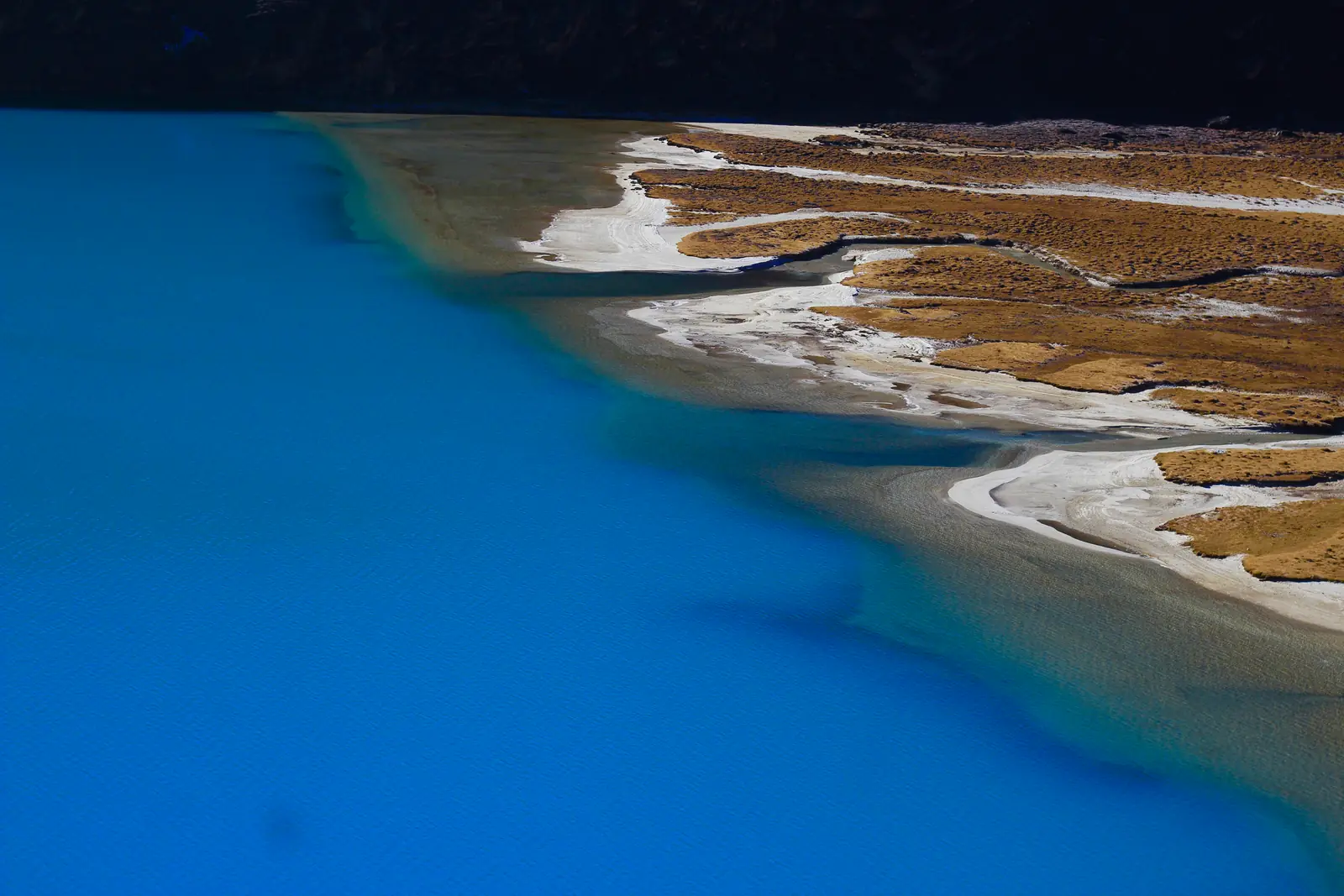
- Continue from Thangnak to Gokyo Lake.
- Climb to Gokyo Ri at 5,357 m as part of the day’s route.
- Walking distance: 8 km | Duration: 3–4 hours
- Ascent: 700 m | Descent: 640 m
- Accommodation: Namaste Lodge
Included meals: Breakfast, lunch and dinner with tea or coffee.
Gokyo Lake to Lumde (4,350 m)
- Cross Renjola Pass at 5,360 m between Gokyo Lake and Lumde.
- This completes the two pass crossings in the outline.
- via Renjola Pass 5,360 m
- Walking distance: 11.5 km | Duration: 7–8 hours
- Ascent: 550 m | Descent: 1,000 m
- Accommodation: Renjo Support lodge
Included meals: Breakfast, lunch and dinner with tea or coffee.
Lumde to Thame (3,820 m)
- After breakfast, continue from Lumde to Thame.
- The day’s route includes Thame monastery.
- Walking distance: 10 km | Duration: 5 hours
- Ascent: 150 m | Descent: 680 m (including Thame monastery)
- Accommodation: Local Lodge
Included meals: Breakfast, lunch and dinner with tea or coffee.
Thame to Namche Bazaar (3,440 m)
- After breakfast, trek from Thame to Namche Bazaar.
- Stay in a local lodge on the return route.
- Walking distance: 8 km | Duration: 4 hours
- Ascent: 150 m | Descent: 480 m
- Accommodation: Local Lodge
Included meals: Breakfast, lunch and dinner with tea or coffee.
Namche to Benkar Village (2,710 m)
- After breakfast, continue from Namche Bazaar to Benkar Village.
- Stay in a local lodge before your final trekking day.
- Walking distance: 7.4 km | Duration: 4 hours
- Ascent: 100 m | Descent: 900 m
- Accommodation: Local Lodge
Included meals: Breakfast, lunch and dinner with tea or coffee.
Benkar to Lukla (2,800 m)
- After breakfast, walk from Benkar back to Lukla.
- Stay in a local lodge before the planned return flight.
- Walking distance: 11.6 km | Duration: 4 hours
- Ascent: 230 m | Descent: 100 m
- Accommodation: Local Lodge
Included meals: Breakfast, lunch and dinner with tea or coffee.
Fly to Kathmandu then drive to Hotel
- Take the planned flight to Kathmandu, then transfer to your hotel.
- Road distance: 5.5 km | Duration: Approximately 20 minutes
- Flight duration: 35 minutes
- Accommodation: Boutique Hotel
Buffer day/Sightseeing and Relaxation in Kathmandu
- Keep this day available as a buffer for the return journey.
- If the itinerary runs as planned, spend the day sightseeing or relaxing in Kathmandu.
- Accommodation: Boutique Hotel
Departure
- Your trip ends with an included airport transfer for your departure.
- Best season
- Spring and autumn
- Trek start and finish
- Kathmandu
- Permits
- Sagarmatha National Park Permit and Khumbu Pasang Lhamu rural municipality permit
Two passes trek overview
Experience the unmatched adventure of the Two Passes Trek offering breathtaking views and exhilarating thrills that captivate even the most seasoned travelers.
Route highlights
- Himalayan Green Trips invites you to embark on an eco-friendly trek through the Khumbu region.
- Chola pass
- 5,420 m
- Renjola Pass
- 5,360 m
Culture and communities
- The resilience of the Sherpa way of life and mountain dwellers is truly commendable.
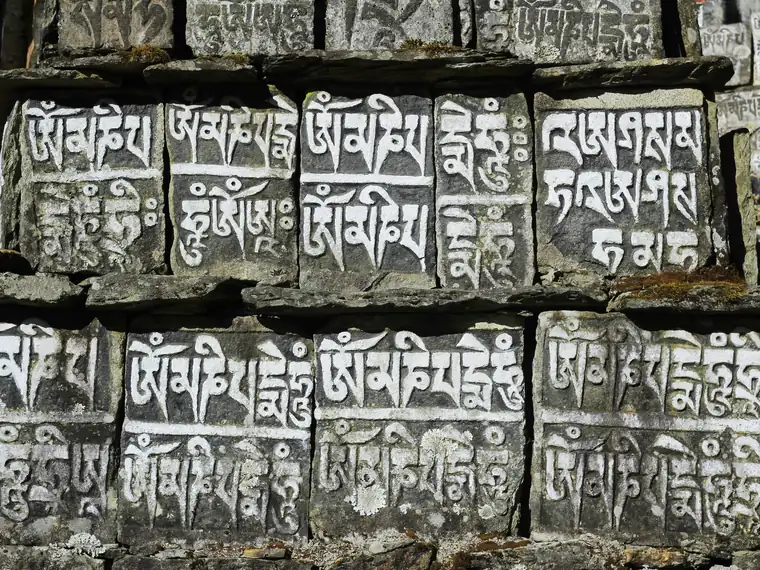
- Encountering monasteries along your path offers a spiritual connection found nowhere else.
Responsible travel
- Guided by an ethos of eco-friendly and sustainable tourism, our treks leave a minimal carbon footprint in these pristine landscapes.
- We prioritize local resources, support traditional lifestyles, and safeguard the natural ecosystem.
More about this trek
Route highlights
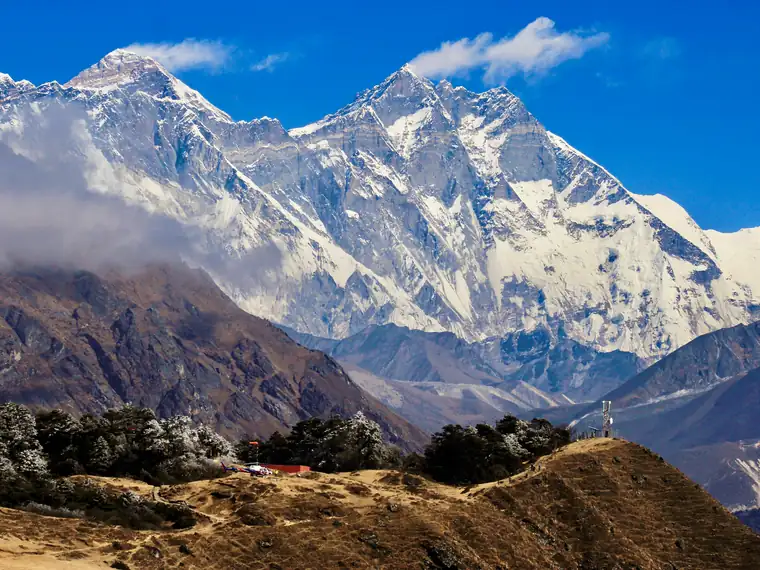
- The allure of gazing at the world's tallest peak is irresistible, as you venture into the heart of the world's rooftop on an epic journey that leaves you breathless.
- Since Sir Edmund Hillary and Tenzing Norgay's historic ascent in 1953, the dream of conquering Everest has captured countless hearts.
- Beyond being a mere mountain, Everest stands as an unparalleled challenge that stirs emotions and binds people to its slopes.
Culture and communities
- This trek artfully intertwines culture, history, and spirituality, delivering an enchanting experience.
- The profound connection between religious practices and the mountain's aura is truly exceptional.
- This journey seamlessly blends adventure and introspection, enhancing both aspects simultaneously.
Responsible travel
- Two Passes Trek is a meticulously curated adventure that combines achievement, excitement, and purpose.
- The Everest region, renowned for its divine beauty, welcomes numerous visitors annually.
- However, sustainability and waste management pose challenges to the region.
- Rising greenhouse gas emissions from increased mountain activity threaten its splendor and unique ecosystem.
- Our vision is to continue this trek while preserving the mountains with utmost respect.
- Our dedicated teams lead this journey, offering an unforgettable experience while ensuring no negative impact on the environment.
- Your participation in this trek is a stride toward preserving Everest's magic for generations to come.
What is included
Cost includes
- Airport pick-up and drop-off in Kathmandu
- 4 nights Boutique / 3 Star Hotel in Thamel
- Domestic flight tickets (Kathmandu-Lukla, Lukla-Kathmandu)
- Tea house / lodge accommodation during the trek (twin-sharing basis)
- Three meals daily during the trek (breakfast, lunch, and dinner with tea and coffee)
- Purified drinking water during the trek (important note: In locations such as Lobuche and Gorakshep, water filtration is not possible due to limited and unclean water sources. At higher altitudes, boiled water or bottled mineral water is recommended.)
- English-speaking, government-certified trekking guide
- Porter service (maximum load of 20 kg per porter)
- Guide and porter salary, meals, accommodation, insurance, equipment, domestic flights and transportation
- All required permits and documentation, including Sagarmatha National Park Entry Permit and Khumbu Pasang Lhamu Rural Municipality Permit
- First aid medical kit
- 20 trees will be planted
- Welcome and farewell dinner
- Save the Mountains eco-friendly bag
- Government taxes and company service charges
- Appreciation certificate (if required)
Cost excludes
- Nepal visa fee and international airfare
- Travel insurance (must cover high-altitude trekking and helicopter evacuation)
- Personal expenses include additional meals outside of the lodge, bakery items, machine coffee, alcoholic beverages, soft drinks, mineral/bottled water, hot or boiled water, hot packs, hot showers, Wi-Fi services, telephone calls, and camera or battery charging, etc
- Extra night accommodation in Kathmandu due to early arrival, late departure, or flight delays
- Lunch and dinner in Kathmandu
- Tips for trekking crews
- Monument entry fees, city guide, transportation for city tour
- Any additional costs due to itinerary changes caused by weather, landslides, flight cancellation, sickness, or unforeseen circumstances
- Helicopter rescue/evacuation cost (covered by the traveler's insurance)
- Helicopter charter flight in case of Lukla flight cancellation
- Personal trekking equipment (sleeping bag, down jacket, trekking poles, etc.)
- Any services not mentioned in the “Cost Includes” section
Trek essentials
Accommodation
- The Khumbu Everest region provides a well-established network of teahouses and lodges catering to trekkers throughout the route.
- Accommodation is generally clean and comfortable, offering twin-sharing rooms with basic furnishings and shared bathroom facilities.
- In major trekking hubs such as Lukla, Namche Bazaar, Dingboche, and Lobuche, select lodges offer upgraded amenities including attached bathrooms, hot showers, charging points, and Wi-Fi services at an additional cost.
- As altitude increases, accommodation becomes more basic, reflecting the remote mountain environment.
Food and drinks
- Teahouses and lodges along the trekking route offer a diverse selection of meals, ranging from traditional Nepali and Tibetan cuisine to simple Western dishes.
- Common menu items include dal bhat, rice, noodles, pasta, soups, potatoes, and seasonal vegetables.
- Breakfast options typically consist of eggs, pancakes, porridge, bread, and cereals.
- A variety of hot beverages such as tea, coffee, and hot chocolate are widely available.
- Due to transportation challenges at higher altitudes, food and beverage prices gradually increase along the trail.
Food safety
For your health and safety during the trek, we strongly recommend consuming vegetarian or vegan meals in the upper Khumbu region. Due to the remote location, meat is often transported from lower Solukhumbu to higher villages, which can take 3 to 7 days. During this time, it is typically carried in baskets and wrapped in plastic, without proper refrigeration. As a result, hygiene standards may not always be reliable, increasing the risk of illness. To avoid potential health issues, we advise our guests not to consume meat in the upper valleys. If you wish to enjoy non-vegetarian meals, it is best to do so in cities or lower villages near road access, where food is fresher and handled more safely.
At Himalayan Green Trips, your well-being is our priority. We encourage eating freshly prepared, locally grown vegetables and fruits throughout the trek. This not only helps keep you healthy but also supports local farmers and small businesses in the region.
Phone and Wi-Fi
- Mobile phone coverage is available in most populated areas of the Khumbu region, primarily through local service providers such as Ncell and Nepal Telecom (NTC).
- Network coverage may be intermittent and limited in remote sections of the trail and at higher elevations.
- Wi-Fi services are commonly available in lodges through prepaid Everest Link cards; however, connection speeds can be slow and unreliable due to terrain and weather conditions.
- Internet access becomes increasingly limited at higher altitudes.
Travel and flight delays
Flights between Kathmandu and Lukla are highly weather-dependent and subject to frequent delays or cancellations due to factors such as poor visibility, strong winds, and cloud cover. During peak trekking seasons, congestion at Kathmandu airport and limited flight windows at Lukla can further impact schedules. Travelers are strongly advised to include contingency days in their itinerary to accommodate potential flight disruptions.
(Important note:
October and November usually offer stable weather and clear skies. However, mountain flights between Kathmandu and Lukla can still be affected by sudden weather changes. Therefore, it is important to be prepared with backup options.
Plan B (Helicopter Charter):
If regular flights are delayed or canceled due to weather, we can arrange a helicopter charter from Kathmandu to Lukla or Lukla to Kathmandu. A helicopter can carry up to 5 passengers, so the entire team must reserve the charter together. If only 1–2 people need to fly, it may also be possible to share the helicopter with other travelers, depending on availability.
Plan C (Additional Waiting Day):
If helicopter flights are also not possible due to bad weather, or if the cost is not affordable, the only option will be to wait an extra day in Kathmandu or Lukla until flights resume. This situation may apply on either side.
Please note that if flights are canceled due to weather, the airline will provide a full refund for the flight tickets. This refunded amount can help reduce the cost of arranging a helicopter charter.
Also, the helicopter charter cost will include a seat for your guide, as Nepali guides are not able to afford helicopter fares separately.
We hope you understand that these arrangements are necessary to ensure safety and smooth travel in the mountains.
Safety and rescue
The Everest region has reliable helicopter rescue services available every day, especially during the trekking and climbing seasons. In case of an emergency, helicopter evacuation can be arranged quickly from most areas, depending on weather conditions and visibility.
However, we only request helicopter rescue if the situation is critical, such as severe altitude sickness, serious injury, or any medical condition that requires immediate evacuation. For mild symptoms or non-emergency cases, our first priority is always safety through proper acclimatization, rest, and descending to a lower altitude. In most cases, descending is the safest and most effective solution.
Our team closely monitors each participant’s health throughout the trek and takes early action if anyone shows signs of altitude-related illness. We always follow a responsible rescue policy to ensure both the safety of our clients and the ethical use of helicopter services in the Himalayas.
Tipping
Tipping in Nepal is not mandatory, but it is widely appreciated, especially in the tourism and service sectors. In restaurants, hotels, and other hospitality services, tipping is generally viewed as a gesture of gratitude for good service rather than an obligation. Many restaurants, particularly in urban areas, may include a service charge in the bill; in such cases, additional tipping is entirely optional.
In trekking and adventure tourism, tipping guides, porters, and support staff is customary and often contributes significantly to their overall income. Tips are typically given at the end of the trek and are usually collected as a group and distributed among the trekking team. The amount may vary depending on the duration of the trek, group size, and quality of service, and is commonly calculated on a per-day, per-staff-member basis.
In our case, our staff members are fairly compensated; however, tips are always appreciated as a kind acknowledgment of their effort and support.
Gear and clothing
- Rain jacket or poncho
- Gore-Tex jacket
- Down jacket
- Fleece jacket
- Thermal set (top and bottom)
- Warm pants for evening and morning
- T-shirts
- Long-sleeved shirt
- Warm hat
- Cap
- Neck gaiter (Buff)
- Gloves (recommended for -15°C)
- Trekking boots
- Crampons (in case of use)
- Light shoes or sandals
- Sleeping Gear
- Down sleeping bag (recommended for -15°C)
- Dry towel
- Trekking Accessories
- Trekking poles
- Daypack and bag cover
- Reusable water bottle and light thermos
- Water filter
- Sunglasses
- Solar charger
Personal items
- ATM card and extra money for external expenses (food and drinks)
- Passport, Insurance document
- Personal beauty care kit
- Personal medicines
- Toiletries
Waste and responsible travel
The Nepal Himalayas are increasingly facing serious waste management challenges, and the Everest region is no exception. As one of the world’s most popular destinations for trekking and mountaineering, the Khumbu region attracts hundreds of visitors each day. This growing number of visitors contributes to a significant increase in waste, including plastic, cans, paper, glass, and batteries, etc., much of which is not properly recycled. Although local organizations and communities are making ongoing efforts to keep the region clean, the accumulation of waste continues to rise each year. Improper disposal methods, including open burning, further damage the fragile mountain environment.
At Himalayan Green Trips, we are committed to minimizing environmental impact by reducing the use and consumption of plastic, cans, and glass products during our trips. We actively promote responsible practices, such as reuse and mindful consumption, to help protect the Himalayas. We also encourage our guests to be conscious of their environmental footprint. Avoiding plastic-packaged products and bottled beverages can make a meaningful difference. Your actions speak louder than words; by choosing not to purchase items that contribute to pollution, you help preserve the mountains while also inspiring fellow travelers and local communities to adopt more sustainable habits. Together, we can protect the beauty and purity of the Everest region for future generations.
On every trip
- Need to follow the pack in and pack out principle.
- Leave only footprints on the mountain.
- Do not bring single-use plastic bags on the trek.
- Priority is drink natural water, filter, boiled water.
- Bring your own reusable water bottle.
- Carry out whatever you buy in the mountains.
- Clean up the trekking trails if possible.
- Carry out 1 kg of recyclable waste from the mountains to the city for the city to reduce mountain pollution.
- Support the Let's Clean Up Nepal Green initiative by spreading an environmental message by displaying posters at guesthouses and educating guides, porters, trekkers, and locals, etc.
Your quote will include the route, itinerary, price, and what is included or excluded. We can also arrange camping treks and tailor an itinerary to your preferences.
All travel plans and itineraries are based on the pack in and pack out principles.