
Dolpo Trek
Dolpo is for travelers who want to go beyond the well known trekking routes and discover a more remote and authentic side of Nepal.
- Duration
- 20 days
- Max elevation
- 5,290 m
- Difficulty
- Medium
- Price
- On request
Route altitude profile
Dolpo region
Juphal Airport to Numa La Pass, via Laini Odar and Nawarpani
Route altitude profile
Highest point: Numa La Pass · 5,290 m
Dunai and Baga La Pass elevations: To supply
Scroll to see the full altitude profile.
- Route stop
- Pass or day visit
- Shaded area: above 3,500 m
Several points on the same day show places visited that day.
Arrival in Kathmandu and transfer to the hotel (1,350 m)
- Road distance: 5.5 km | Duration: approximately 20 minutes
- Accommodation: Hotel
Included meals: Breakfast, lunch and dinner with tea or coffee.
Kathmandu Sightseeing and trek Preparation (1,350 m)
- Accommodation: Hotel
Included meals: Breakfast, lunch and dinner with tea or coffee.
Fly to Nepalgunj (150 m)
- Flight duration: 1 hour
- Accommodation: Hotel
Included meals: Breakfast, lunch and dinner with tea or coffee.
Fly to Juphal then drive to Dunai
- Juphal Airport Altitude: 2,500 m
- Flight: 35 minutes
- Drive Distance: 8 km | Duration: 1 hour by vehicle or 3 hours on foot
- Descent: 500 m
- Accommodation: Hotel in Dunai
Included meals: Breakfast, lunch and dinner with tea or coffee.
Dunai to Tarakot (2,537 m)
- Walking distance: 16 km | Duration: 5 hours
- Ascent: 400 m | Descent: 700 m
- Accommodation: Camping
Included meals: Breakfast, lunch and dinner with tea or coffee.
Tarakot to Laini Odar (3,160 m)
- Walking distance: 13 km | Duration: 6 hours
- Ascent: 900 m | Descent: 300 m
- Accommodation: Camping
Included meals: Breakfast, lunch and dinner with tea or coffee.
Laini Odar to Nawarpani (3,545 m)
- Walking distance: 10 km | Duration: 5 hours
- Ascent: 600 m | Descent: 200 m
- Accommodation: Camping
Included meals: Breakfast, lunch and dinner with tea or coffee.
Nawarpani to Dho Tarap (4,090 m)
- Walking distance: 15 km | 7 hours
- Ascent: 900 m | Descent: 350 m
- Accommodation: Camping
Included meals: Breakfast, lunch and dinner with tea or coffee.
Day for acclimatization and exploration in Dho Tarap (4,090 m)
- Accommodation: Camping
Included meals: Breakfast, lunch and dinner with tea or coffee.
Dho Tarap to Numa La Base Camp (4,440 m)
- Walking distance: 10 km | Duration: 6 hours
- Ascent: 600 m | Descent: 250 m
- Accommodation: Camping
Included meals: Breakfast, lunch and dinner with tea or coffee.
Cross Numa La Pass and camp at Pelung Tang
- Camp (4,465 m)
- Walking distance: 15 km | Duration: 6 hours
- Ascent: 700 m | Descent: 900 m
- Accommodation: Camping
Included meals: Breakfast, lunch and dinner with tea or coffee.
Pelung Tang to Dajok Tang via Cross Baga La Pass (4,080 m)
- Walking distance: 10 km | Duration: 5 hours
- Ascent: 650 m | Descent: 800 m
- Accommodation: Camping
Included meals: Breakfast, lunch and dinner with tea or coffee.
Dajok Tang to Ringmo (Shey Phoksundo Lake) (3,600 m)
- Walking distance: 14 km | Duration: 3 hours
- Ascent: 200 m | Descent: 700 m
- Accommodation: Camping
Included meals: Breakfast, lunch and dinner with tea or coffee.
Day for exploration in Ringmo (Phoksundo Lake) (3,612 m)
- Walking distance: 4–6 km | 2–4 hours (depends on where you want to go)
- Accommodation: Camping
Included meals: Breakfast, lunch and dinner with tea or coffee.
Phoksundo Lake to Chekpa Village (2,720 m)
- Walking distance: 12 km | Duration: 5 hours
- Ascent: 150 m | Descent: 1,500 m
- Accommodation: Camping
Included meals: Breakfast, lunch and dinner with tea or coffee.
Chekpa Village to Juphal (2,500 m)
- Walking distance: 10 km | Duration: 6 hours
- Ascent: 500 m | Descent: 250 m
- Accommodation: Local lodge
Included meals: Breakfast, lunch and dinner with tea or coffee.
Fly to Nepalgunj then return to Kathmandu (1,350 m)
- Accommodation: Hotel
Included meals: Breakfast, lunch and dinner with tea or coffee.
Reserve day (Contingency day for weather and health conditions)
Included meals: Breakfast, lunch and dinner with tea or coffee.
Free day
Included meals: Breakfast, lunch and dinner with tea or coffee.
Departure
Included meals: Breakfast, lunch and dinner with tea or coffee.
- Best season
- Spring and autumn
- Trek start and finish
- Kathmandu
- Permits
- Shey Phoksundo National Park Permit, Lower Dolpo Restricted Area Permit
- Group size
- To supply
- Trek distance
- 129–131 km of listed walks, plus unmeasured walks
Who is Dolpo for?
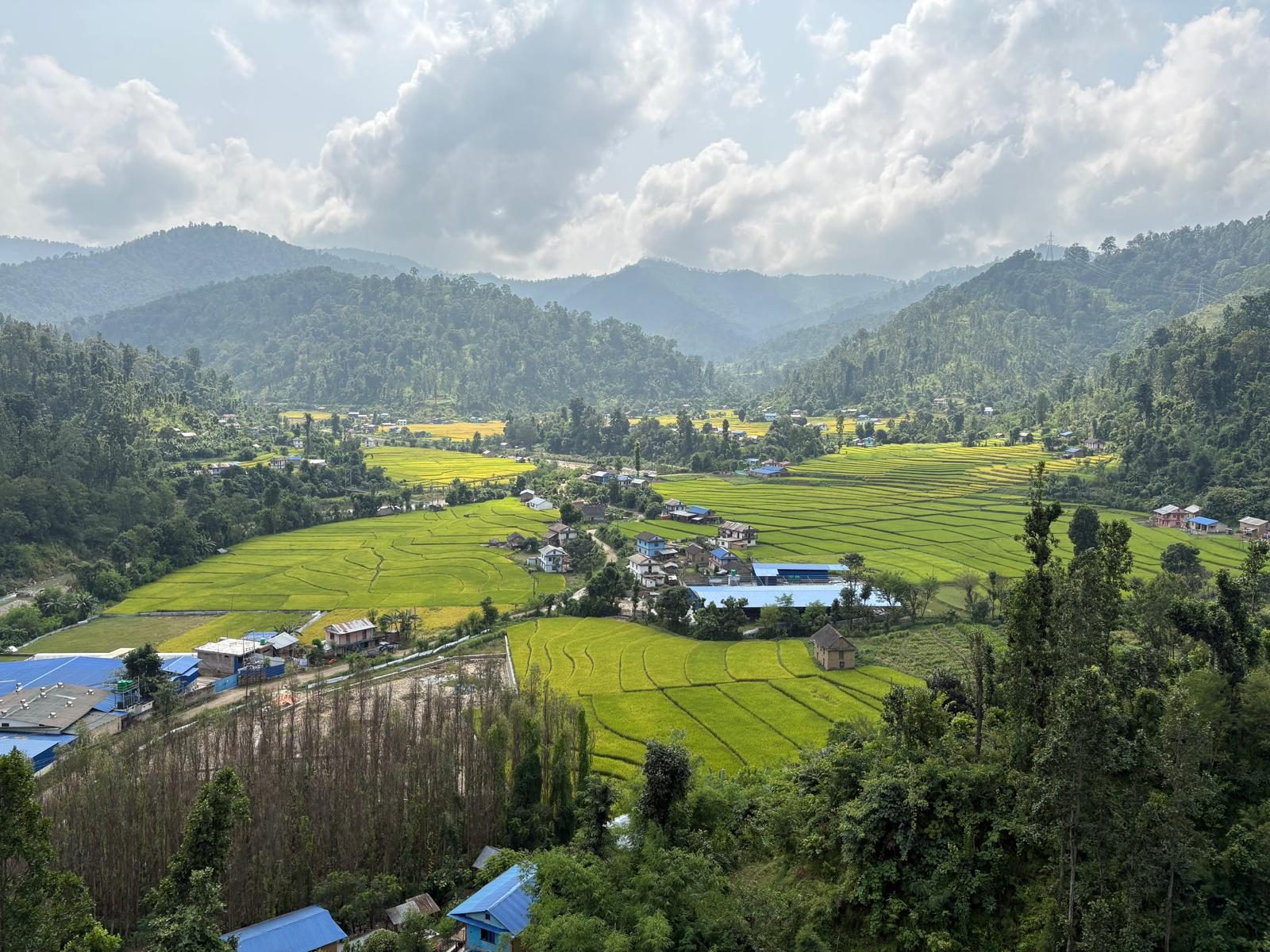
Here, you can experience traditional villages, local communities, ancient Bon and Buddhist traditions, mountain landscapes, and a way of life that has remained closely connected to nature. You may walk through remote valleys, see how people farm and live in the mountains, and stay with local families, share meals, and experience daily life in communities far from the busy tourist trails.
Dolpo is especially suitable for travelers who want to avoid crowds, spend time in nature, experience local culture, and explore a quieter and more remote side of Nepal. This is the kind of journey where the destination is not only the mountains. The people, culture, landscape, and everyday life are part of the experience.
More about this trek
Route highlights
- The Lower Dolpo Trek is one of Nepal’s most remote and adventurous Himalayan journeys, located in the far-western region within Shey Phoksundo National Park.
- This off the beaten path expedition takes you through spectacular landscapes of deep valleys, high mountain passes, pine forests, waterfalls, and dry inner Himalayan terrain.
- The trek offers breathtaking views of snow-capped peaks and the magnificent turquoise waters of Phoksundo Lake, one of Nepal’s most beautiful alpine lakes.
- With multiple high passes above 5,000 meters and several long trekking days, the Lower Dolpo Trek is physically demanding yet profoundly rewarding.
- It is ideal for adventurous travelers seeking solitude, raw wilderness, and authentic Himalayan culture far from the crowded trekking routes.
Culture and communities
- Beyond the scenery, Dolpo is culturally extraordinary.
- You will pass through isolated villages such as Ringmo and Dho Tarap, where communities follow Tibetan Buddhist and ancient Bon traditions.
- Their lifestyle, preserved for centuries, reflects a deep spiritual and cultural heritage.
Highlights of the Lower Dolpo
- Turquoise waters of Phoksundo Lake
- Ancient monasteries and rich Bon and Buddhist culture
- Remote Himalayan villages such as Dho Tarap and Ringmo
- High mountain passes above 5,000 meters
- Dramatic landscapes: waterfalls, deep gorges, and alpine desert
- Rare wildlife inside Shey Phoksundo National Park
- Peaceful trails with very few trekkers
- Authentic mountain lifestyle and traditions
Route information
- The Lower Dolpo Trek begins from Dolpa Airport (Juphal Airport) and passes through remote valleys, traditional villages, and high mountain passes within Shey Phoksundo National Park.
- The route includes challenging crossings such as Numa La and Baga La passes (over 5,000 meters), offering dramatic landscapes and views of Phoksundo Lake.
- The trek is considered moderate to challenging and typically takes 12–16 days.
Wildlife and flora/fauna
- The trek lies within Shey Phoksundo National Park, Nepal’s largest national park, home to rare wildlife such as snow leopard, blue sheep, Himalayan tahr, and musk deer.
- The region features diverse vegetation ranging from pine and juniper forests to alpine meadows and medicinal herbs, with beautiful rhododendron blooms in spring.
What is included
Cost includes
- All private ground transportation including airport transfers
- Boutique hotel in Kathmandu, a 4-star standard hotel in Nepalgunj and a hotel stay in Dunai, as per the itinerary.
- Domestic flights: Kathmandu–Nepalgunj, Nepalgunj–Juphal, Juphal–Nepalgunj and Nepalgunj–Kathmandu
- Shey Phoksundo National Park Permit, Lower Dolpo restricted Permit
- Full-board meals during the trip (breakfast, lunch and dinner)
- Tea and coffee
- Camping equipment
- Drinking water during the trip
- All accommodation as per the itinerary, including hotels, lodges and camping
- Certified English-speaking trekking guide
- Camping staff and animals (cook, kitchen helper, mule driver)
- Staff insurance, equipment, food, accommodation, domestic flights and transportation
- All government taxes and company service charge
- First aid medical kit
- 50 trees planted to preserve the mountains
- Satellite phone
- Trekking duffel bag (only use for trip)
- Save the Mountains eco-bag and t-shirt
- Certificate of Appreciation (If require)
Cost excludes
- Personal trekking gear
- International airfare, passport and visa fees
- Travel insurance (cancellation, medical and evacuation)
- Reserve-day expenses beyond the included meals, drinking water and accommodation
- Fizzy drinks and alcohol
- Personal expenses (Wi-Fi and battery charging)
- Tips for staff
Trek essentials
Required documents
- Passport photocopy
- Passport size photo
- Nepal visa number
- Copy of travel insurance
- Emergency contact details
Accommodation
- Accommodation during the Lower Dolpo Trek consists mainly of basic tea houses in villages and fully supported tented camps in more remote sections.
- Tea houses provide simple twin-sharing rooms with shared toilets and limited facilities, while camping includes sleeping tents, dining tents, kitchen setup, and support staff.
- Due to the remoteness of the region, comfort levels are modest but clean and well managed.
- The trek combines both tea house stays and organized tent camping.
- Tea houses are available in established villages, while camping is arranged in isolated areas where lodges do not exist.
- All camping logistics, including tents, kitchen equipment, and support staff, are managed by the trekking team to ensure safety and comfort in remote terrain.
Food and drinks
- Meals are freshly prepared and typically include traditional Nepali dishes such as Dal Bhat, noodles, soups, potatoes, and limited Western options in tea houses.
- On camping days, a trekking cook prepares varied and nutritious meals.
- Boiled drinking water, tea, and coffee are widely available, while soft drinks and limited alcoholic beverages can be found in larger villages.
- During the tent camping sections of the trek, we provide simple meals made with locally sourced ingredients.
- Our animals carry only the necessary packaging and locally purchased produce specifically for the camping days.
Food safety
To supply
To supply
Phone and Wi-Fi
- Mobile network coverage in Lower Dolpo is limited and unreliable, with occasional signal available in larger villages such as Dunai.
- Internet access is very basic and often unavailable in higher or remote areas.
- Trekkers should be prepared for minimal connectivity throughout most of the journey.
Travel and flight delays
To supply
To supply
Safety and rescue
- In case of serious medical emergencies, helicopter evacuation is available depending on weather conditions.
- Comprehensive travel insurance covering high-altitude trekking and helicopter rescue is mandatory.
- Guides carry first aid kits and are trained to monitor altitude-related health conditions, ensuring client safety throughout the trek.
Tipping
Tipping in Nepal is not mandatory, but it is widely appreciated, especially in the tourism and service sectors. In restaurants, hotels, and other hospitality services, tipping is generally viewed as a gesture of gratitude for good service rather than an obligation. Many restaurants, particularly in urban areas, may include a service charge in the bill; in such cases, additional tipping is entirely optional.
In trekking and adventure tourism, tipping guides, porters, and support staff is customary and often contributes significantly to their overall income. Tips are typically given at the end of the trek and are usually collected as a group and distributed among the trekking team. The amount may vary depending on the duration of the trek, group size, and quality of service, and is commonly calculated on a per-day, per-staff-member basis.
In our case, our staff members are fairly compensated; however, tips are always appreciated as a kind acknowledgment of their effort and support.
Gear and clothing
- Rain jacket/poncho
- Gore-Tex jacket
- Down jacket
- Fleece jacket
- Thermal set (top and bottom)
- Warm pants
- T-shirts
- Long-sleeved shirt
- Warm hat, cap, neck gaiter (Buff)
- Gloves (recommended for -15°C)
- Trekking boots
- Lightweight shoes or sandals
- Down sleeping bag (recommended for -20°C)
- Travel towel
- Trekking poles
- Daypack with rain cover
- Reusable water bottle and thermos
- Water filter
- Sunglasses
- Solar charger
Personal items
- ATM card and extra cash
- Passport and insurance documents
- Toiletries
- Personal medicines
- Basic care kit
Waste and responsible travel
- Carry required permits at all times
- Respect local culture, monasteries and traditions
- Follow Leave Only Footprints practices (please contact HGT team to manage your waste)
- Camp only in designated areas
- Do not disturb wildlife or pick plants
- Stick to marked trails
- Avoid open fires
- Ask permission before photographing locals
- Support local businesses
- To minimize use of plastic please bring a reusable water bottle or containers to put your personal trekking items
- Treat guides and porters fairly
- Follow acclimatization recommendations
- Keep noise levels low avoid loud speakers
- Follow safety precautions in changing weather
On every trip
- Need to follow the pack in and pack out principle.
- Leave only footprints on the mountain.
- Do not bring single-use plastic bags on the trek.
- Priority is drink natural water, filter, boiled water.
- Bring your own reusable water bottle.
- Carry out whatever you buy in the mountains.
- Clean up the trekking trails if possible.
- Carry out 1 kg of recyclable waste from the mountains to the city for the city to reduce mountain pollution.
- Support the Let's Clean Up Nepal Green initiative by spreading an environmental message by displaying posters at guesthouses and educating guides, porters, trekkers, and locals, etc.
Your quote will include the route, itinerary, price, and what is included or excluded. We can also arrange camping treks and tailor an itinerary to your preferences.
All travel plans and itineraries are based on the pack in and pack out principles.